
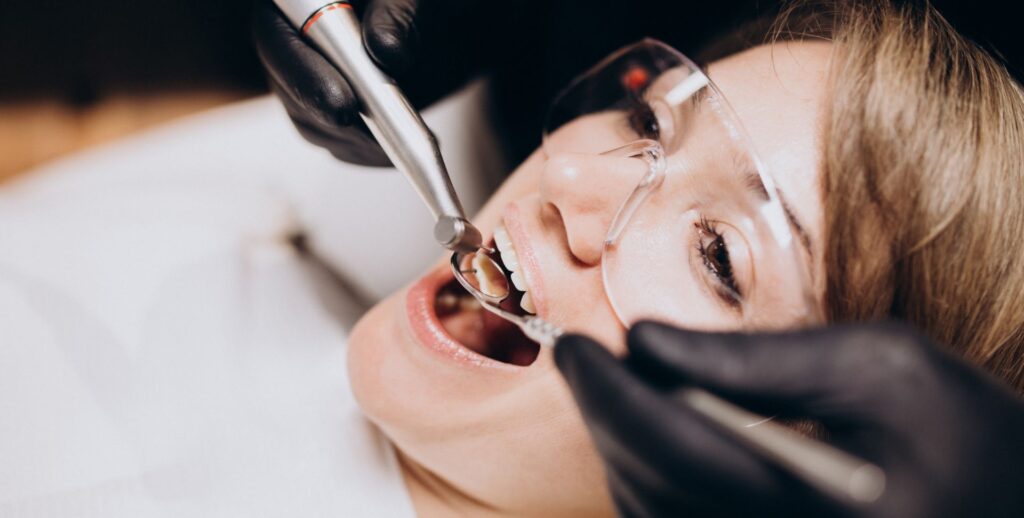
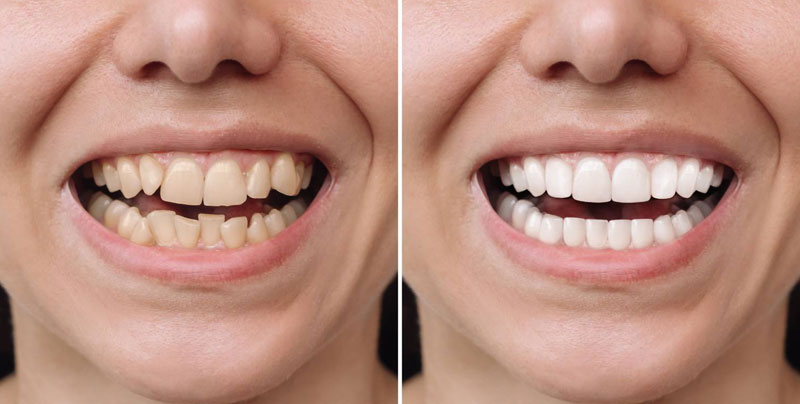
You have just completed your in-office UV-activated teeth whitening treatment at Pearl Dental. Your smile is significantly brighter, and the results are instant. However, the first 48 hours following your procedure are crucial for maintaining that brightness and ensuring your results last as long as possible.
During the whitening process, the pores of your tooth enamel are gently opened to allow the bleaching agents to penetrate and lift stains. Immediately after treatment, these pores remain slightly open and susceptible to absorbing pigments from food and drink. This guide will walk you through exactly how to care for your teeth in the coming days to protect your investment and keep your smile radiant.
The “White Diet”: Protecting Your Results for 48 Hours
The most important rule to follow for the next two days is what dental professionals often call the “White Diet.” Because your teeth are currently more porous than usual, they act a bit like a dry sponge. If you expose them to dark liquids or highly pigmented foods, they will absorb those colors immediately, potentially reversing the effects of your treatment.
For the next 48 hours, you must refrain from consuming any foods or beverages that would stain a white t-shirt. If it leaves a permanent mark on fabric, it will likely stain your freshly whitened teeth.
Foods and Drinks to Avoid
To ensure the best possible outcome, please avoid the following items entirely for at least two days:
- Dark Beverages: Coffee, tea (even herbal tea), and red wine are the biggest offenders. Colas and other dark sodas should also be avoided.
- Acidic Fruit Juices: Avoid grape, cranberry, and orange juice. The acidity can be irritating to sensitive teeth, and the colors are vibrant enough to cause staining.
- Condiments and Sauces: Soy sauce, tomato sauce (marinara), ketchup, balsamic vinegar, and mustard.
- Vibrant Fruits and Vegetables: Berries (blueberries, blackberries, strawberries), beets, and dark leafy greens like spinach.
- Chocolate: Both dark and milk chocolate contain pigments that can settle into the enamel.
What You Can Eat
It might seem restrictive, but there are plenty of delicious options available to you during this short window. Stick to light-colored or white foods such as:
- Beverages: Water (still or sparkling), milk, and clear liquids like gin or vodka (without colored mixers).
- Breakfast: Plain yogurt, oatmeal, egg whites, and bananas.
- Lunch and Dinner: White rice, pasta with white sauce (alfredo or garlic butter), chicken breast, white fish, turkey, cauliflower, and potatoes (mashed or baked without skin).
- Snacks: Vanilla pudding, white cheese, and peeled apples.
Lifestyle Habits: Smoking and Tobacco
If you use tobacco products, this is the most critical time to pause. You must avoid smoking or using any tobacco products for at least 48 hours after your whitening session.
Cigarette smoke contains tar and nicotine, which are notorious for yellowing teeth. Because your enamel pores are open, the staining effect of tobacco is significantly amplified right now. Even a single cigarette could cause significant discoloration that might be difficult to remove later. Electronic cigarettes (vaping) should also be avoided if possible, as the effects of the chemicals and heat on freshly whitened teeth are not fully beneficial to the healing process.
Managing Sensitivity
It is not uncommon for patients to experience some level of tooth sensitivity following a UV-activated whitening treatment. This occurs because the treatment penetrates deep into the tooth to break up stains, which can temporarily irritate the nerve. You might feel small “zings” or a general ache, particularly when breathing in cold air or drinking cold liquids.
To manage this, we recommend avoiding extremely hot or cold foods and drinks for a few days. Room-temperature items will be much more comfortable for you.
If you are experiencing discomfort, you can use a desensitizing toothpaste. These pastes contain compounds that help block the transmission of pain signals from the tooth surface to the nerve. You can also take over-the-counter pain relievers like ibuprofen or acetaminophen to help manage any inflammation or aching. The sensitivity is temporary and typically subsides within 24 to 48 hours.
Maintaining Oral Hygiene
Keeping your mouth clean is essential, but you need to be gentle. Brush your teeth with a soft-bristled toothbrush and non-abrasive toothpaste. Avoid whitening toothpastes for now, as they can sometimes be too abrasive for teeth that are already sensitive.
Flossing daily is just as important as ever to keep your teeth clean and your gums healthy. Just be careful not to snap the floss down hard into your gums.
Long-Term Maintenance and Touch-Ups
Once you get through the initial 48-hour period, you can return to your normal diet. However, maintaining your new shade requires ongoing care.
To keep your smile bright, consider scheduling whitening touch-up treatments every 6 to 12 months, as recommended by your dentist. These maintenance sessions are usually shorter and help combat the natural yellowing that occurs over time from diet and aging.
Additionally, maintaining excellent oral hygiene habits and visiting Pearl Dental for your regular cleanings will help remove surface stains before they become permanent.
When to Contact Us
While some sensitivity is normal, you should not be in severe pain. If you have any concerns, experience prolonged discomfort that lasts more than a few days, or notice any unevenness in your results, please schedule a follow-up appointment with us. We are here to ensure you are thrilled with your smile and comfortable during your recovery.
By following these simple guidelines, you protect the investment you’ve made in your smile and ensure your results are dazzling for months to come.